There are many reasons for feline sneezing, from allergies to an upper respiratory infection. In fact, some cat breeds are even sneeze-prone by nature because of their face shape. Learn how to tell whether those ah-choos are nothing to worry about or whether they may signal a problem with your cat's health.
Why Is My Cat Sneezing?
Cats can sneeze for many reasons, and often, a few sneezes here and there are nothing to worry about. Sneezing can be a sign of something more serious, however, so it's important for cat owners to know what sneezing can mean and when to go to the vet.

1. Harmless Nasal Irritation
One of the simplest reasons that cats sneeze is that they get dust, dander, or hair up their noses, just like humans. When this happens, the small hairs in the nasal passages filter potential harmful substances and then remove them by creating a sneeze. This is part of having a healthy respiratory system.
Sometimes, your cat will sneeze a lot in a row, or there might only be one little sneeze. If you don't notice any other symptoms or patterns associated with the sneezing, there's a good chance it's healthy sneezing.
Just like dogs, cats may also sneeze when they're feeling excited because their nasal passages have this physical response.
2. Allergies
Cats can get allergies, just like people do. However, cat allergies usually manifest as itchy skin rather than respiratory symptoms. If your cat does have this type of sneezing, you might see accompanying coughing and/or wheezing. Common allergies include reactions to:
- Chemical cleaners
- Cigarette smoke
- Chemicals in new carpet
- Cat litter
- Scented items like perfume and candles
- Pollen
- Dust
- Mold
If you can find out what is causing the allergic reaction and eliminate it from your environment, you may find that your pet has fewer sneezing episodes. Cats with allergies will display patterns of behavior associated with their sneezing.
For example, they may sneeze each time they use the litter box or only when they go outside. If your cat's sneezing in reaction to allergens doesn't decrease after you remove the suspected irritant from your house, consult with a veterinarian about medication and other methods to make them more comfortable.
3. Breed Predisposition

Some breeds simply sneeze more than others due to their unique anatomy, especially the smush-faced breeds. The Persian cat, for example, may have more trouble with sneezing than other breeds.
Due to the shape of the nose and the smaller nasal passages of these breeds, the passages produce more mucus and don't drain entirely, and this can lead to more sneezing than in other breeds.
Environmental changes like adding a humidifier or reducing stress can help with these symptoms, but many cats need medication and even surgery to address their breathing. Speak to your veterinarian if you have a smush-faced cat who is sneezing.
4. Upper Respiratory Infection (URI)
Another reason for feline sneezing is an upper respiratory infection. Respiratory infections cause sneezing as the cat's nasal passages become irritated, inflamed, and full of mucus. Look for some of the following symptoms along with the sneezing:
- Watery eyes
- Swollen glands in throat
- Swollen eyes
- Coughing
- Excessive sneezing and sneezing fits
- Dehydration
- Lethargy
- Poor appetite
- Swallowing excessively
- Nasal discharge, which can have a greenish color or be white, yellowish, or clear
Associated Conditions
Respiratory infections can be very dangerous. A respiratory infection can be a sign of such serious conditions.
- Feline herpes virusis a disease that affects a cat's eyes and respiratory system.
- Feline calicivirus is a form of "cat flu."
- Feline immunodeficiency virus (FIV) is a fatal condition also known as feline AIDS.
- Feline leukemia, or FeLV, is a virus that is the second leading cause of death in cats.
- Feline infectious peritonitis (FIP) can also lead to a cat sneezing if the infection progresses without treatment.
While sneezing may not be one of the initial symptoms of these serious illnesses, it can be brought on by a cat's weakened immune system that allows a respiratory infection to thrive as a secondary condition.
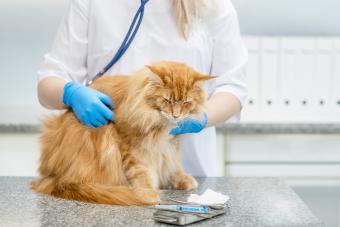
It's important to have your pet checked by your vet as soon as possible if you see them exhibit one or more of these symptoms. The vet can prescribe medication as needed or hospitalize your cat.
If you notice any of these upper respiratory symptoms in a kitten, it's even more important to get to your veterinarian immediately because kittens can decompensate very quickly.
5. Feline Dental Problems
Feline sneezing can be caused by problems with a cat's teeth. This type of sneezing is due to drainage moving into a cat's sinuses from their mouth as a result of the infection in the teeth and gums, also known as an oronasal fistula. It's often accompanied by bad breath, constant drooling, and repeated sneezing fits, as well as poor appetite.
Abscessed teeth and badly decayed teeth can cause excessive sneezing in your cat.
6. Nasal Foreign Object

Sometimes, a cat sneezes because they have something up their nose, like a blade of grass, a foxtail, or a tumor. In these cases, the sneezing is the result of the cat's body trying to force the object out, and you'll usually see persistent and often sudden sneezing.
This is really uncomfortable. It's important to see your vet right away to address whatever is stuck up there. If your cat does this often and is an outdoor cat, you may want to consider keeping them inside as inhaling foreign objects happens more commonly outside.
7. Fungal Infections
Inhaling fungal spores can lead to sneezing in cats, though this isn't very common. Only about 7 of every 10,000 cats get a fungal infection in their nose.
Infected cats will show sneezing along with discharge from their nose, nasal swelling, heavy breathing, and neurologic symptoms. Some of the most common fungal infections that can impact a cat's nose are cryptococcosis and aspergillosis.
8. Nasal Tumors
Nasal tumors are also fairly uncommon and only make up about 1% of feline tumors, but they can happen. Growths inside the nasal cavity can either be benign, meaning they're non-cancerous, or malignant, which means they are cancer.
Either way, they can cause sneezing and other symptoms, like a runny nose, congestion, pain, and swelling. Determining what type of growth it is and removing it is the best course of action, although these tumors can be hard to treat because of where they're located.
About Cat Nosebleeds
It can be scary to see your cat sneezing blood. If this happens, it's best to have them checked out as quickly as possible. While it is often little more than a broken blood vessel, sneezing blood can be a sign of either a fungal infection, nasal tumors, or cancer and should be examined to make sure your cat has a clean bill of health.
Related: 5 Reasons for Heavy Breathing in Cats and What to Do
When to See a Vet for Cat Sneezing

If your cat sneezes a few times, there's usually no reason to worry. On the other hand, if their sneezing is excessive or if you notice other concerning signs, take your pet to the vet for a full check-up. Here are a few other helpful tips:
- Keep a record of how often your pet sneezes and when they sneeze. For example, is it every time you refill their litter box? Every time you vacuum? This can help your vet to get a good idea of what might be wrong.
- Keep track also of other symptoms that you notice along with the sneezing, such as discharges from the eyes, drooling, lack of appetite, diarrhea, or anything else that's unusual.
- If your veterinarian finds that your cat is ill, they will prescribe any appropriate antibiotics and treatment. If it turns out to be allergies, you may have to consider using different cleaning supplies or otherwise removing the cause of the problem.
Cat Sneezing Isn't Just "One of Those Things"
There's a fine line between being overly cautious and trivializing your cat's sneezing. Cat sneezing can be caused by many different things, some of which are pretty serious. If your cat sneezes a few times but seems otherwise fine, it's probably not necessary to rush them to the vet, but if they have other symptoms or you just feel like things are off, follow your gut. You know your cat best and are the best person to advocate for them.