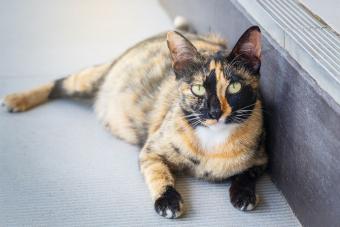
When female cats go into season, their behavior is very likely to change. If your cat is in heat, you might notice her acting completely different from normal. From showing increased affection to inappropriately marking around your home, your kitty may give several indications that she is ready to mate. Ready or not, she's searching for a mate.
How Cats in Heat Behave
The hormonal changes that occur when a cat comes into heat, also known as estrus, can have a powerful effect on your pet's behavior. The heat cycle tends to affect some cats more than others, but all females will display signs to some degree.
Since the average heat cycle lasts seven to 10 days, and cats come into heat multiple times each year, the behavior associated with the cycle can become a bit overwhelming. Watch for the following signs to tell if your own cat may be in heat.
Most of the time, these behaviors are obvious, but other times, they can be subtle. Do not expect that you'll be able to tell when your cat is in heat just based on her behavior alone.
1. Increased Affection
One of the earliest behaviors you may notice is that your cat suddenly becomes eerily affectionate. She'll weave her way around your ankles and rub up against them as she purrs loudly for your attention. This is one of the most subtle signs, and it often occurs before the others. But once you see your cat act this way a few times, you'll likely be able to pick up on what's going on.
2. Rubbing Against Furniture

In addition to rubbing up against you, you may also notice your pet rubbing herself against your furniture, particularly with her hindquarters. She's trying to leave her scent around to entice eligible males for breeding. This is sometimes a precursor to marking behavior, so be prepared for possible accidents.
3. Cat Mating Call
Most females in estrus begin calling out loudly and do so with irritating frequency. Your own cat may even continue wailing into the night in search of a mate. Unless she mates successfully during this time, she will continue calling until her heat subsides.
Your cat may try to escape during this time to get to a mate. You need to be on high alert and keep your cat confined to avoid unwanted pregnancy.
4. Assuming a Mating Position
Once in estrus, your cat may frequently assume the mating position. This consists of her placing her head down with her forelegs bent, and raising her hindquarters and tail. This elevation of her rear makes her vulva accessible for any willing male.
5. Spraying Urine
In the most extreme cases, some females may even start spraying their home with strong smelling urine. This behavior is meant to advertise their heat to any available males that might pass by. It can be extremely frustrating, because an otherwise friendly, well-adjusted cat may spray in places you aren't expecting when she comes into season.
Remember, don't get made at your kitty if she isn't fixed. It isn't her fault she's in heat. Unless you plan to have your cat spayed, take steps to ensure she isn't able to mark to protect your furniture and home.
6. Inappropriate Defecation
Some females even go as far as to change their defecation habits and begin pooping in places other than their litter box. Think of this as another calling card the female leaves behind for any interested males she hopes to attract with her scent.
Demonstration of Heat Behavior in Cats
The following video offers a very typical view of how a cat behaves when she's in heat. The first section shows the female assuming the breeding position, while the rest of the video shows the animal's increasing frustration as she searches for a mate.
Why You Should Consider Spaying
If your cat's behavior becomes more than you can bear when she's in heat and you have no intention of breeding her, it's time to consider having her spayed. After all, your cat could have kittens as young as 4 months old, and if you're not wanting mini meows wandering around, it's time to make a decision. Of course, you can certainly wait until your cat is older, but spaying is still an option that you can discuss with your vet.
Plan Ahead and Be Patient
Female cats in heat definitely display particular - and sometimes unwanted - behaviors. Just remember, they aren't acting this way to upset you, or because they're mad at you. If anything, they're looking for attention. Try to be understanding, never punish your female cat because she's acting strangely while in heat, and do what you can to make her feel comfortable. You need to take the initiative and prevent her from getting out, as well, or you may find your female is pregnant before very long.