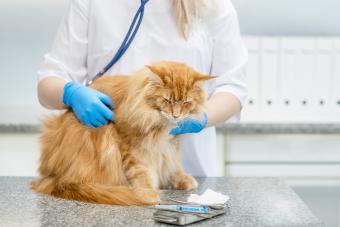
If you have an outdoor cat or multiple indoor cats, chances are you're at least a little familiar with cat skin wounds. In fact, most feline skin wounds are inflicted on a cat by a member of its own species. Take a closer look at why this happens and how you can help your pet.
Cat Skin Wounds and Infections

When dealing with cat skin wounds, bleeding is often the least concern. It's secondary infections from bacteria deposited at the time of injury that tend to wreak the most havoc. Consider the cat's only weapons, their sharp claws and teeth.
Cat Claw Wounds
A cat generally digs around in their litter box to bury their leavings, and this can lead to a collection of bacteria in their claws. When those claws rip through flesh, they can leave behind bacteria to grow and multiply.
Cat Bite Wounds
A cat's teeth are capable of doing even more damage than their claws, mainly due to a cat's typical style of biting. A cat bites cleanly and quickly, puncturing the skin and immediately releasing. They generally don't dig in and shake their head the way a dog or an alligator would. The bites are perfect little punctures that quickly swell and close over, trapping bacteria inside of the wound.
At first glance, it may appear as though the wounds are healing quickly, but once the bacteria begins to "cook," the wound becomes red and swollen as the pus builds up pressure beneath the skin. Unless the wound is properly treated, the infection from the bite can reach the bloodstream with deadly consequences.
Infectious Complications
There are a number of infections/complications that cats can contract from skins wounds.
These include, but are not limited to:
- Transference of feline leukemia virus (FeLV) from an infected cat: There is no cure for this disease and cats can only be protected through prior vaccination.
- Transference of feline immunodeficiency virus (FIV): FIV complicates the healing process because it weakens the cat's ability to fight off any infection at the wound site.
- Streptococcal infection: Strep doesn't require much oxygen to survive, so the enclosed environment of a puncture wound allows the bacteria to thrive and multiply.
Signs of Infection
Signs of infected bites and scratch marks include:
- Redness
- Heat
- Tissue swelling
- Fever
- Localized hair loss
- Lethargy
- Putrid smell coming from the wound
- Pus drainage
Tips to Clean Cat Skin Wounds at Home

If you discover a skin wound on your cat, it's important to call your vet to schedule an appointment for it to be examined. Early intervention will help prevent painful, messy infections. However, while you're waiting to be seen, you can take action to keep the wound clean and make your cat comfortable.
- If you can do so safely, use electric clippers to trim the fur around the wound. Never use scissors, as you can easily cut a cat's delicate skin if they move suddenly.
- For wounds that look oozy, dirty, or fluid-filled, you can apply a warm compress to the area. Simply soak a clean washcloth in warm water and apply it to the wound for a few minutes.
- You can clean the area with a pet-safe antiseptic solution, such as diluted Betadine. Never use hydrogen peroxide, alcohol, or witch hazel on wounds.
- Most cats will instinctively begin licking a wound if they can reach it, however, this will usually cause more harm that good. If you have a cat cone, place on that your cat to prevent them from introducing oral bacteria to the wound and inhibiting healing.
- Pieces of cat litter and bacteria from the litter box can easily enter wounds on the paws. For cuts in these locations, swap granular litter out with a softer alternative like paper-based litter. Shredded newspaper will even work.
- Keep your cat indoors until the wound has been treated by your veterinarian and is healed.
If your cat appears in distress due to a wound, do not attempt to clean it; in that case, they need immediate medical care. Skin wounds and infections are uncomfortable, so it's possible your cat may not allow you to touch the area. If it's unsafe for you to clean the wound, discontinue immediately.
Treatment of Cat Wounds
How your vet chooses to treat cat skin wounds can vary slightly depending on several factors, such as when the wound was discovered, how the infection has progressed, the cat's health condition, and their temperament.
Treating Fresh Skin Wounds
If your cat will allow, your vet will likely trim the hair around the wound and clean it. Some vets will administer a precautionary round of antibiotics to head off the onset of an infection when it's known that the cat in question was involved in a fight. Most wounds are left open to facilitate draining and prevent an abscess from forming.
Treating Abscesses

When wounds have gone undetected and been allowed to fester, they can develop into abscesses. Abscesses are pockets of infection that form inside of closed wounds in areas of loose flesh that have the capability to expand and accommodate the production of pus. To treat an abscess, the vet will first open the wound to allow a major portion of the pus to drain. This uncomfortable procedure is done under sedation or general anesthesia. The wound may be left open for further drainage via a drainage tube to prevent it from closing again and continuing to fester.
Some cats with abscesses may not be willing to take medications by mouth, but an antibiotic injection is available as an easier way to deliver the medicine. This antibiotic remains in their system for up to 14 days to address the skin wound infection. A follow-up visit is usually required to make sure the infection has resolved and to remove the drainage tube in order to allow the wound to heal completely.
Treating Cellulitis
When a wound occurs in an area where the skin is not loose or able to stretch, the infection is forced to spread throughout the surrounding tissue. In cases like this, there is no way to drain the wound, so the vet is completely dependent on antibiotics to arrest the infection.
Cat Wound Healing Stages

A typical cat wound will go through four stages during the healing process.
Initial Stage: Inflammation
The cat's wound will swell, which is caused by the blood vessels in the area working to stem the flow of blood out of the wound. Blood will also begin to clot. Inflammation begins as soon as the cat has been wounded.
Second Stage: Debridement
Debridement is the next step in the process and involves movement of the white blood cells to the inflamed area. These cells work to clean the area of anything that can cause an infection, such as pieces of fur, skin, or nails from the other animal, dead skin and tissue from the wounded cat, and dirt. You may also see pus which is formed by the white blood cells. Debridement occurs within a few hours of the initial wounding.
Third Phase: Repair or Granulation
After a few days, the wound starts to repair itself, and you will see scabs and skin sealing over the broken skin area. Blood will be sent to the area by the body to facilitate the growth of new cells. This phase is also called "granulation," which is the name of the type of tissue you will see closing the gap of a wound and is a pale pink color.
Final Phase: Wound Maturation
In the final phase, the new skin "matures" through the addition of collagen. The wound will be completely sealed as a scar forms, and the skin becomes stronger. This phase can begin about two to three weeks after the initial skin injury and can take several months or more to become finally complete.
Cat Wound Prognosis
In most cases, a cat will heal within a week or two of treatment, unless other diseases such as FIV and feline leukemia have been transferred or if the infection has spread through the bloodstream to the internal organs. Your veterinarian can ensure the wound is healing properly and test for any infectious diseases that may have been transferred.
Cat Fights
Cats are really very physical creatures. If something bothers them, they may hiss or yowl, but they're just as likely to lash out physically. Quite often, they do this with their paws, leaving their unlucky victims with claw rakes. Other times cats will let their teeth do the talking, inflicting a quick but nasty bite on their unhappy targets.
When cats fight, they are usually left with at least a few cat skin wounds. Sometimes the injuries are very apparent and cause for a good deal of concern, but sometimes the injuries don't appear to be very serious - at least at first. If your cat has been in a fight, check them over carefully to make sure you have not missed any open wounds. Even a wound that does not look too bad to the eye could easily become infected and should be treated immediately.
Preventing Cat Wounds
Prevention is nearly always easier than treatment. It's much safer for your cat if you keep them inside and only allow them outside with 100% supervision. If you have cats that live inside and do not get along, keep them separated and consult with a feline behavior professional to work on reintegrating them so they will be safe together.