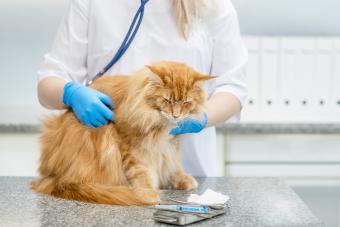
Feline Diabetes
From LoveToKnow Cats
Feline diabetes is just like diabetes in people. In Type I diabetes the pancreas does not produce enough insulin. With Type II the cat’s cells do not respond properly to insulin.
How Diabetes Works
When there is not enough insulin or there is an inadequate insulin response glucose cannot get into the body’s cells. This results in a high blood sugar level because the sugar stays in the blood, but the body is actually sugar starved. Some diabetic cats lose weight while eating more, because their body cannibalizes its own tissues in an attempt to get the needed sugar. The extra sugar in the blood stream is eliminated through urine causing increased urination and taking water from the body.
What Causes Feline Diabetes?
Cats have evolved to eat meat. Their bodies do not tolerate carbohydrates well. Grains are carbohydrates. Commercial cat food is loaded with grains. Carbohydrates elevate glucose levels. In an effort to compensate for the high glucose levels the pancreas produces more and more insulin eventually becoming overworked and failing. Certain medications and diseases can contribute to the development of diabetes. Megestrol acetate, otherwise known as Ovoban, and corticosteroids, such as prednisolone, have been linked to diabetes, as have obesity, chronic pancreatitis, hyperthyroidism, Cushing’s disease and acromegaly.
Feline Diabetes is more common in males than females and in cats over seven years old. Diabetic cat food can become necessary.
Symptoms of Diabetes
If your cat displays any symptoms of diabetes seek medical attention immediately. Untreated diabetes can cause muscle, nerve, and organ damage or kill your cat. Initial signs of diabetes are:
- Increased urination
- Increased water consumption
- Weight loss, often accompanied by increased appetite
Over time feline diabetes can cause liver disease, bacterial infections, poor skin and coat, and diabetic neuropathy. Diabetic neuropathy causes weakness, usually in the hind legs.
Cats with advanced diabetes can develop ketoacidosis. Symptoms of ketoacidosis include:
- Loss of appetite
- Vomiting
- Diarrhea
- Lethargy
- Weakness
- Dehydration
- Breathing abnormalities
Ketoacidosis requires immediate intensive veterinary treatment.
Diagnosing Diabetes
Both blood and urine tests are necessary to diagnose feline diabetes. Cats get stressed at the vet’s office and release hormones which can result in a blood test that shows high sugar, but it takes longer for this to affect the urine, so if it is stress induced the discrepancy will show.
Living with Diabetes
Cats that are treated can live long, healthy lives. They require special care, but once you get the hang of it, it is not difficult. The initial expense can be a little high, but long term expense is low.
Diet is the key to treating and controlling diabetes. A good, balanced raw food diet can fully restore natural balance of glucose levels in most cats. A high fiber diet can be helpful because it slows down digestion causing the sugar to slowly enter the system instead of causing a severe and fast jump in blood sugar. It is also helpful to feed several small meals a day rather than one or two large meals.
Medication in the form of insulin shots or oral medication, and diet are used to control most diabetes. When beginning medication cats are usually kept at the vet’s office for observation for the first day or two to make sure that they are getting the proper dose the shots are given under the skin and are actually less traumatic than giving pills.
Blood sugar monitoring is essential, especially if you are giving medication. Giving too much insulin or giving insulin doses too close together can cause insulin shock and death. Monitoring yields much needed information, lets you know how much insulin your cat needs, whether the condition is worsening or improving, and what foods and feeding schedules maintain the best balance for your cat.
The most important thing to understand when living with a cat who has diabetes is that each case is different. Your veterinarian can provide guidelines, but your close attention and personal knowledge of your cat will be the most important components of treatment.
Comments
Hi Sandy,
Hopefully Virginia will check in and can answer your question about how her cat is doing.
I have a cat that loves to lick the window blinds, which I obviously do not let her do because you never know how many toxins there are. My best guess is that they are petroleum based and they enjoy something about the taste.
Sandy, I hope your cat is okay. I know it's hard to know when to go ahead and have a pet euthanized, let them die naturally or spend more money on treatment. The best advice I can give you there is to decide ahead of time what your family can and can't afford. Then, discuss this issue with your vet. Some will work out payment options with you. You'll know when your cat is suffering and there is no treatment that will make your cat feel better.
-- Contributed by: LoriSoardI would love to know if anyone has an answer as to WHY cats love to chew on plastic. Every cat I have ever owned loves to chew plastic ANYTHING. Anybody else have a cat like that?
-- Contributed by: Sandy SynstelienMy comment/question for Virginia is how did it turn out with your cat? My cat is 17 and has been displaying the same signs as you described. As much as I love my cat I have three young children, and mortgage and such and need to think about how much I spend. I was wondering what the outcome was with your cat. Thanks for your help.
-- Contributed by: Sandy SynstelienThis page has been accessed 3,416 times. This page was last modified 22:48, 11 August 2008.
© 2006-2008 LoveToKnow Corp.