In the early stages, cat distemper symptoms can mimic other illnesses and may be hard to distinguish without your veterinarian's help. Distemper in cats, also known as feline panleukopenia, is a serious threat to your cat's life. Unfortunately, there is no cure for feline distemper, but early intervention and a good care plan can increase your cat's chances of surviving the illness.
Understanding Feline Distemper
Panleukopenia, says veterinarian Dr. Jeff Werber, DVM, "is caused by the feline parvovirus. The virus damages the cells that line the intestines and also attacks the cat's lymph nodes and bone marrow, causing a decrease in both the cat's white blood cells (affecting their ability to fight infection) and red cells (causing anemia and weakness.)"
Feline distemper is highly contagious, so if your cat shows any of the early or progressive symptoms, isolate them from other cats in the house immediately and call your veterinarian.
Incubation Period of Feline Panleukopenia
The earliest symptoms of distemper show up about two to seven days after your cat has been exposed to the disease.
Early-Stage Symptoms of Distemper in Cats
Dr. Werber describes the first set of feline distemper symptoms as, "what we call ADR, 'ain't doing right.'" Your cat might only show subtle signs of sickness at first. Because it's always best to diagnose any illness in its earliest stages, you'll want to keep a close eye on your cat for any changes in their habits or behaviors.
Fever
A cat with distemper will usually develop a high fever. This can be 104 degrees Fahrenheit or higher.
Loss of Appetite
An infected cat is likely to stop taking in both food and water.
Lethargy
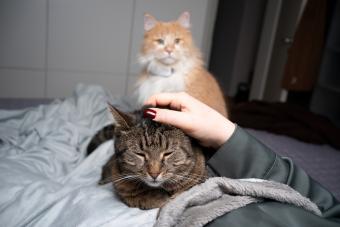
Your cat may take on a depressed appearance and stop playing as much or begin hiding. As their belly becomes more uncomfortable, you may find them sitting hunched over as if in pain.
Change in Vocalization
Your cat may be much quieter than usual, or they may "talk" more than usual.
Along with the common symptoms listed above, Dr. Werber notes, "We can also see upper respiratory infection because of a lack of ability to fight disease. Kittens are more severely affected."
Rapid Progression of Distemper Symptoms in Cats
Once you notice the initial signs of distemper in cats, the rest of the symptoms typically show up very soon after. This is why it's very important to discuss any concerns with your veterinarian at the first signs of illness. As the disease progresses, you'll notice a new set of symptoms, including:
Vomiting
Most cats begin vomiting with feline distemper. If they haven't eaten much, they may just vomit a clear or yellow-tinged liquid. As mentioned in the Merck Veterinary Manual, vomiting typically starts one to two days after the development of the fever.
Drooling
Many cats with distemper will hypersalivate as a result of nausea or pain.
Diarrhea
Cats may develop severe diarrhea. In up to 15% of cases, they'll develop bloody stools.
Dehydration
Dehydration is another common result of progressing distemper. When your cat is unable to eat or drink, can't keep anything in their system, and has a high body temperature, dehydration quickly sets in.
Coat Appearance
Your cat's coat will often become dull and rough. Cats will stop grooming as they feel weaker and sicker. On a long-haired breed, the hair may become matted.
Belly Pain
There will be evidence of abdominal pain. Cats will usually sit with a hunched posture to guard their belly or act restless and constantly change positions.
Collapse
In the late stages of feline distemper, cats can become uncoordinated, collapse, and may experience seizures. If the distemper is allowed to progress with these symptoms, it can be really hard to support them through recovery.
Some cats are more likely to succumb to the disease than others. "Young kittens, sick cats, and unvaccinated cats are most susceptible, and many will die," says Dr. Werber.
Prognosis for Cats With Distemper
Distemper is a serious disease. According to the American Veterinary Medical Association (AVMA), up to 90% of cats will die from distemper if left untreated. With early intervention and proper treatment, a mature cat "that has been otherwise healthy has a better chance for beating the infection" and can recover from feline distemper.
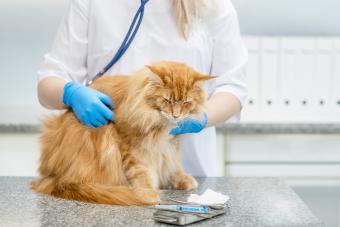
Kittens have a lesser chance of surviving this disease. Dr. Werber notes, "Interestingly, cats who survive an infection are immune to any further panleukopenia infection in the future." If you suspect that your cat may have distemper symptoms, the best thing to do is take them to the veterinarian for diagnosis immediately.
Treating Distemper in Cats
When a cat is brought in to the veterinarian for treatment, Dr. Werber states that "Unfortunately, it is not a good prognosis and there is no cure."

Dr. Werber advises that "treatment involves supportive care." This includes, "Intravenous fluids to help keep the cat hydrated, antibiotics to help prevent secondary infection, and often parenteral nutrition to help keep them strong to be able to fight off the virus."
How Do Cats Get Distemper?
Exposure can come through contact with the body fluids of sick cats, including their saliva, urine, feces, or blood. Although humans and dogs cannot catch feline distemper, they can indirectly spread the disease if they don't wash any skin or clothing probably that came in contact with a sick cat. An indoor cat can get distemper as the virus can be brought into the home by other members of the household.
Preventing Feline Distemper
According to Dr. Werber, "As with most viral infections, the best treatment is prevention via vaccine. All kittens and cats should be vaccinated against this disease." He urges cat owners to, "Check with your veterinarian about vaccine scheduling and booster frequency," to keep your cats safe from suffering from feline distemper.