Noticing your cat is losing a large amount of hair can be quite alarming, but there are many reasons for hair loss in cats. Some, such as fleas, are easier to treat, whereas others require a diagnosis and treatment by a veterinarian. Learning about the possible causes can help you get your cat the help they need.
Why Is My Cat Losing Hair?
Hair loss, also known as alopecia, is generally caused by one of the following disorders.
Hyperthyroidism
As the most common endocrine disorder that older felines experience, hyperthyroidism is a leading cause of feline hair loss. Cats with this disease usually lose hair in patches, and they may shed excessively. Other symptoms of hyperthyroidism include weight loss, greasy or unkempt hair, excessive thirst and urination, increased vocalization or activity, and insatiable appetite. Luckily, in most cases, hyperthyroidism can be easily controlled with medication or radioactive iodine therapy (I-131).
Hypothyroidism
A rare condition in cats, hypothyroidism causes the thyroid gland to produce inadequate levels of thyroid hormones to maintain a normal metabolism. The condition causes hair loss, as well of a host of other symptoms that include weakness, weight gain, and lethargy.
Fleas

Flea allergy dermatitis, an allergy to a flea's saliva when they bite a pet, can lead to hair loss. After sustaining flea bites, a cat's focus becomes scratching to relieve the intense itching. The animal will go to any lengths to reach the agitated skin, including biting off hair in the bothersome areas. Cats with fleas should be treated immediately to avoid further, more serious complications to their overall health, including tapeworms or Bartonella.
Allergies

Hair loss and itching are common symptoms when a cat has an allergic reaction to something it has eaten or come into contact with in the environment. Tracking down the cause of the allergy is the most difficult part of diagnosing the problem. Once the allergen has been identified, treatment usually involves eliminating the substance from the cat's diet or environment. As the allergen works its way out of a cat's system, itchy rashes begin to fade away. A vet may also prescribe medication to relieve the worst of the itching. Once the system returns to normal, most cats will regrow their fur.
Pyoderma
Pyoderma is a bacterial infection that commonly sets in when the skin is traumatized from scratching and biting. The infection produces localized hair loss as well as a purulent discharge or pus that crusts over the lesions. Great care must be taken to clean away the discharge to promote healing, but since pyoderma is a secondary infection, it's still crucial to determine the cause of the irritation.
Demodectic Mange

Mange mites burrow under the skin and can cause extreme itching, even though they can't be seen. Cats commonly develop crusty lesions and patchy areas of hair loss. Mange can be diagnosed via skin scrapings viewed under a microscope. Treatment usually involves medicated dips or application of a topical flea and tick medication under veterinary supervision.
Ringworm

Ringworm is actually a fungal infection that produces circular patches of hair loss as the fungus infects the hair shafts. It is generally treated with various dips or oral medications, but some vets also recommend shaving the infected cat completely to help control the fungus. Once the ringworm fungus is gone, the hair should regrow, but know it may take several weeks or even months.
Notoedric Mange
In some cases, hair loss in cats can be brought on by other lesser-known causes such as Notoedres cati, more commonly referred to as notoedric mange. This is a parasite that causes alopecia in cats. Hair loss from Notoedres cati is seen on the ears, neck, eyelids, and other facial and upper body regions. This type of mange is rare but highly contagious to other pets and humans. Treatment for notoedric mange is similar to that of demodectic mange.
Cushing's Disease
Cushing's disease, also known as hyperadrenocorticism, is a far less common cause of hair loss and is quite rare in cats. Other symptoms that will occur concomitantly are an increased appetite and thirst as well as mild to severe lethargy. You may notice that your cat's skin seems thin, or the petting your cat once enjoyed may now agitate it. The hair loss associated with Cushing's disease is bilateral, meaning what is missing on one side of the animal's body will be almost exactly the same as what is missing on the other. Generally, this hair loss is located along a cat's sides, but it can occur anywhere on the body.
Congenital Hypotrichosis
Unlike true alopecia which leads to hair loss, congenital hypotrichosis only causes hair thinning. Cats are born with this condition and may be born with thin hair and balding or lose their hair as they develop. According to ProVet Health Care, this genetic condition typically affects certain cat breeds, including Birman, Burmese, Siamese, and Devon Rex cats.
Eosinophilic Granuloma

The exact cause of eosinophilic granuloma is not known, but veterinarians speculate that it could be related to an underlying allergy and may have a genetic component. This condition typically causes oral ulcers and irritating lesions that cause hair loss on the back of the thighs and stomach. Your vet can determine if your cat's hair loss is related to eosinophilic granuloma by examining a sample of a lesion under the microscope. Treatment typically consists of steroids or immunosuppressive medication and a course of antibiotics if the skin has developed a secondary bacterial infection.
Feline Endocrine Alopecia

Feline endocrine alopecia is actually a rather rare condition characterized by hair loss on the abdomen, inner legs, and genital region. The exact cause of the condition is not currently known, but it's believed to be linked to hormone levels. For this reason, it can be challenging to identify an underlying endocrine issue, so your vet may have to perform various diagnostics.
Psychogenic Alopecia
Psychogenic alopecia is a compulsive disorder that drives a cat to groom itself obsessively. Excessive licking and chewing leads to hair loss, and some cats will even pull out their own hair. A vet will only arrive at this diagnosis if all other underlying conditions can be ruled out. In many cases, this type of alopecia caused by over-grooming is a result of stress or anxiety. Calming solutions or adjustments to the environment can help these cats stop barbering to promote hair regrowth.
Pain
Pain could be another underlying cause of alopecia, particularly if you notice hair loss over your cat's joints. Cats with arthritis often lick their uncomfortable joints in an effort to find relief. Feline arthritis is more common than most pet owner realize; studies suggest over 90 percent of senior cats over the age of 12 years have evidence of arthritic joints. Look out for other signs of arthritis, such as walking stiffly, reluctance to jump, and muscle atrophy. Your vet can help make your cat more comfortable with joint supplements and medications for pain.
Poor Nutrition
Cats on an unhealthy diet will be deficient in essential vitamins and nutrients, which can lead to brittle fur and hair loss. Adequate volumes of digestible protein plus vitamins like A and E are necessary for healthy skin and hair. Owners who make their own pet food must be especially careful to use a veterinarian-approved recipe supplemented with a vitamin blend.
Preventing Cat Hair Loss
Although there are some causes of hair loss that you have little control over, there are a few things you can do to at home to help make sure your cat's skin and fur remain healthy.
Feed Your Cat a Nutritious Diet
The best way to avoid hair loss caused by a poor diet is to feed your cat a healthy food from the onset. Choose foods high in protein where the first ingredient is meat. Some veterinarians warn that fish-based foods may lead to hyperthyroidism; however, this is generally only the case with very low end foods. Always choose a diet formulated for the correct cat life stage.
Provide a Healthy Environment for Your Cat
If you allow your cats to enjoy the outdoors, be sure they are up to date with all vaccinations. Not only will this keep them from experiencing any preventable illnesses that could lead to hair loss, vaccinations will also stave off much more serious and possibly fatal diseases.
Keep Up With Preventive Care
Use a preventative treatment that protects against all parasites, including fleas, mites, heartworms, and ticks. Be sure that any preventative you use is specifically formulated for cats, as many canine products are toxic to cats. It's also important to see your veterinarian for routine wellness exams and baseline blood work to monitor for any changes in thyroid levels or endocrine diseases.
Offer Enrichment and Minimize Stress
Even if they have no other underlying conditions, cats who are bored or anxious can turn to over-grooming. Make sure you provide your cat with stimulating activities like cat trees, interactive toys, and bird watching opportunities. Pheromones can help cats cope with stressful events or changes.
Seek Veterinary Care for Fur Loss in Cats
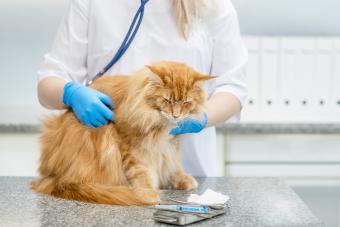
The information presented here is not meant to replace professional veterinary diagnosis and treatment. If your cat displays any symptoms of hair loss, ask your vet to examine your pet to get a proper diagnosis and treatment plan. Remember, your cat's fur protects its skin, so fur loss can become a serious problem if left untreated.