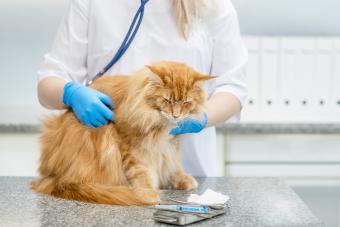
Even if you provide your cat with the best care possible, there’s always a chance they could get sick. Things like heart disease can be genetic, and feline arthritis often happens with age. Understanding the most common cat diseases can help you identify the early signs of these illnesses and keep your cat by your side for many years to come.
Dental Disease
Upwards of 85% of cats over the age of three have dental disease, making it the number one most common cat disease. You might not think of dental disease as an illness, but the state of your pet’s mouth is an incredibly important part of their overall health.

Bacteria on the teeth can enter their bloodstream and damage organs like the kidneys, heart, and even the brain. Not to mention, rotten teeth, bleeding gums, and inflammation are super uncomfortable and impact your kitty’s ability to eat.
If you’re not already brushing your cat’s teeth on a regular basis, now is a great time to start.
Arthritis
Dogs aren’t the only ones who get arthritic joints. Almost half of all cats show signs of arthritis in at least one area, and that number jumps up to a whopping 90% in cats 12 years and older. Even though arthritis can’t be reversed, there are supplements your vet can recommend to stop the progression of the disease and help your cat feel more comfortable.
Kidney Disease
If you’ve cared for a cat into their old age, you’re probably familiar with the fact that their kidneys start to decline at some point. As many as half of cats over 15 years old develop chronic kidney disease, which is the type that happens over time. But this can also happen in younger cats.

Keeping your cat hydrated, keeping them away from toxins, and running routine blood work are all great ways to help reduce their risk of having kidney problems.
Pancreatitis
Recently, vets have discovered feline pancreatitis is a lot more common than was once believed. Pancreatitis is an uncomfortable condition where the pancreas becomes inflamed, and they’ll usually develop vomiting, stop eating, and have really low energy. The exact cause of this cat sickness still isn’t known, but there are a few triggers we’re aware of, like IBD, diabetes, or the parasite Toxoplasma gondii.
Upper Respiratory Infection
Do you get a cold every winter? Colds are also pretty common in cats. Anytime you see a cat who's sneezing and has a runny nose, there’s a good chance they have an upper respiratory infection (URI). These kitty sniffles usually need antibiotics to clear up the infection.
Heart Disease
Unfortunately, heart disease is pretty common in cats. About 10 to 15% of cats develop heart problems. Often, they won’t show any obvious signs until they start to get sick. This is why routine exams are so important to monitor for any subtle changes and keep your cat in the best health possible.

Your cat’s breed could play a role in their risk of heart disease, because some are genetically more prone to it than others, like the Maine coon or Persian.
Hyperthyroidism
Hyperthyroidism is seen a lot in cats, especially those over 10 years old. About 10% of these senior cats develop this overactive thyroid, the symptoms of which include weight loss, ravenous appetite, vomiting, hyperactivity, incessant meowing or yowling, and greasy hair. Medication can help regulate your cat’s thyroid levels and make them feel so much better.
Other Common Cat Illnesses
There are dozens of cat illnesses that could be affecting your pet, with several conditions sharing similar symptoms. Even though they're not quite as common as the others, they still happen fairly frequently.
- Feline idiopathic cystitis(FIC): Inflammation of the urinary tract that can cause a cat to pee outside their litter box or have blood in their urine.
- Skin allergies: Itching and scratching in cats can be caused by things in the environment like fleas, pollen, dust, and more.
- Intestinal worms: Worms like roundworms can cause vomiting, diarrhea, and weight loss in cats.
- Diabetes: Overweight cats are four times more likely to develop type II diabetes than those at an ideal weight.
- Feline leukemia virus: Also called FeLV, it's an infectious feline disease passed through saliva and other bodily fluids.
- Feline immunodeficiency virus (FIV): Also known as feline AIDS, this virus has no cure.
- Inflammatory bowel disease (IBD): Just like in humans, cats with IBD often experience vomiting, diarrhea, stomach pain, and gas.
- Cancer: Cancer can develop anywhere, but lymphoma of the small intestines is the most common type seen in cats.
When You Should Consult a Vet
Just because these cat illnesses are common doesn't mean they aren't harmful or life threatening. It's always wise to see your vet any time your cat shows signs of being sick to rule out something serious. But if your cat is showing any of the following symptoms, it's important that you seek emergency care right away.

- Unresponsive
- Ill for more than 24 to 36 hours
- Symptoms that have dramatically increased or multiplied
- Obvious pain
- Struggling to breathe
- Bleeding profusely
- Unable to have bowel movements or urinate
- Refusing to eat for more than 48 hours
- Not drinking
Don't Wait to Seek Help
If your intuition is telling you your cat is showing signs of sickness, it's wise to have them checked out. Cats are masters at hiding illnesses, and the sooner you catch something brewing, the better the prognosis. And with the knowledge of which illnesses are most common in cats, you can keep your feline friend healthy and happy for decades.