You can spot the warning signs of feline leukemia virus, also known as FeLV, if you know what to look for. When the disease is detected early enough, you may even be able to take steps to lengthen the life of your cat.
Understanding the First Signs of Feline Leukemia
The first signs of feline leukemia can look similar to other cat illnesses, like a cat cold or upset stomach. As time goes on, they'll worsen. The warning signs that the virus is attacking a cat's body include the following.
- Weight loss
- Inflamed mouth
- Breathing problems
- Swollen lymph nodes
- Stomach problems
- Weakness
- Persistent infections
- Fever
Most cats will show the signs of feline leukemia within a few weeks of being exposed to the virus, but some infected cats don't show symptoms for many years.
Weight Loss
Feline weight loss is common and can have many causes. Appetite changes in a cat are always a reason for concern, but in the case of FeLV, these changes in eating habits are often the first symptom.
Inflamed Mouth
In the early stages of feline leukemia, some cats develop stomatitis, where their gums become very inflamed and ulcerated. This can be really uncomfortable for the pet and lead to foul breath. A cat may also develop pale gums due to anemia.
Breathing Problems
It's easy to spot the warning signs of feline leukemia when the virus is settling in the chest. Your cat will develop coughing and other signs of respiratory problems. They may gag on the phlegm that is being produced. Wheezing and a runny nose or eyes are also very common.
Swollen Lymph Nodes
Many cats develop swollen lymph nodes. The most accessible ones for you to feel are in the neck. Just run your hands down the front of their neck on either side of the throat under their jaw.
Normal cat lymph nodes are about the size of a pea and are almost too small and soft to feel. If you feel anything firm or larger than a pea, it's likely the lymph nodes are swollen.
Stomach Problems
When the virus settles in the abdomen, your cat may experience signs of abdominal problems. There may be vomiting or frequent diarrhea, which is usually accompanied by a lack of appetite.
Weakness
With any virus, including FeLV, the immune system stops working, and your cat's overall health begins to deteriorate. They may show signs of listlessness, sleepiness, and overall weakness.
Persistent Infections
The leukemia virus puts cats at risk for infections, and these infections can be difficult to clear up. Infections of the bladder, respiratory system, and skin, among other systems, are common in these cats. They're often recurrent and chronic.
Fever
As the virus attacks the body, your cat may develop a fever. Cats naturally have a higher temperature than humans do, but if your cat feels excessively warm to the touch, it's a good idea to take their temperature with a pet thermometer.
Recognizing the Final Stages of Feline Leukemia
In the final stages of FeLV, your cat's health will be severely compromised by the infection. This leaves them open to developing other diseases and disorders not related to FeLV. If you notice your cat suffering from any of the following, there is a good chance he may be in the final stages of FeLV:
- Progressive weight loss that does not improve
- No interest in eating
- Constant diarrhea
- Difficulty getting up and moving about
- Lack of coordination
- Extreme lethargy
- Eye ulcers
- Tumors and cancer, particularly lymphoma and fibrosarcoma
- Seizures
Feline leukemia virus is spread through the saliva of the infected cat by sharing food or water dishes or when cats groom, play with, or bite each other.
Diagnosing Feline Leukemia
Since the signs and symptoms of FeLV can be like other medical conditions, the best way to diagnose it is to see your veterinarian immediately. As the disease progresses, it's normal for your cat to suffer from other medical conditions due to their compromised health, and it's easy to mistake the secondary condition for the main cause.
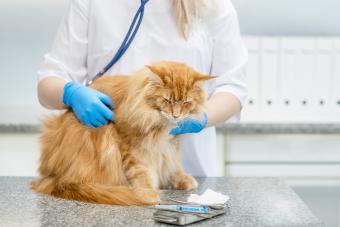
Feline leukemia is detected using a blood sample. Only a few drops of blood are needed, and most veterinary clinics can run the test in-house.
If you notice your cat showing any of the signs of FeLV, take them in for a checkup right away so they can be tested.

Watch Out for Feline Leukemia's Signs
The warning signs of feline leukemia are subtle and sometimes difficult to read. It's important for all cat owners to be aware of this pernicious disease and the signs your cat may be at risk. If you have any concerns about your pet's health, take your cat to the vet for an evaluation immediately. The sooner that your pet is diagnosed, the better chance they have at a long and happy life.