Just as dealing with cat hair is a natural part of owning a cat, so are hairballs. These seemingly innocent clumps of fur accumulate within your cat's digestive tract and are usually expelled in one direction or the other. However, when a hairball sits in your cat's stomach for too long, it can create big problems. If you feel your feline friend has a fur ball, try a cat hairball remedy to help them find relief and prevent dangerous consequences.
Are Cat Hairballs Normal?
Even though it can serve as an inconvenience when it comes to cleaning, your cat hacking up a hairball or passing one in their stool is indeed a good thing. Many experts believe that an upchucked hairball one to two times each week is neither uncommon nor worrisome. More frequent hairballs may be a cause for concern and should be discussed with your veterinarian.
Cat Hairball Remedies to Try
From natural solutions to over-the-counter or even prescription formulas, there are numerous hairball remedies you can use to help your cat pass one of these pesky fur clumps.
Bulk Up Their Fiber
Adding fiber to your cat's diet can aid in digestive motility and help move hairballs along. First, consult with your vet, then try supplementing your cat's food with one of the following fiber sources.
- ½ to 1 teaspoon of canned pumpkin (only pumpkin -- not pumpkin pie filling)
- ½ to 1 teaspoon of Metamucil (psyllium powder)
- Vegetables, such as carrots, squash, or peas
- Cat grass
Extra fiber should help bulk up your cat's stools so hairballs can move easily through their digestive tract, so you might notice an increase in the size of stools. If they begin straining to defecate or become constipated, however, discontinue the fiber and see your veterinarian.
Promote Hydration
Unfortunately, too much fiber or not enough water can leave your cat stopped up (which is definitely not the desired outcome), so promoting hydration is important. Adequate hydration is essential for proper intestinal function and can soften up and move hairballs. If your cat isn't big on drinking water, you can try a number of tricks to increase their water intake, like feeding a canned diet, adding warm water to their food, or getting a water fountain.
Lubricate With Oil
A bit of oil can help lubricate the hairball or break it up and allow for comfortable passing. Be careful to use a small amount, as oil could cause gastrointestinal upset, including diarrhea or vomiting, or could cause your cat to gain weight. Some commonly used sources include petroleum jelly, butter, olive oil, mineral oil, coconut oil, or the oil from a can of tuna. Check with your vet first and don't exceed more than 1 teaspoon once a week.

Hairball Control Treats or Diets
Specially formulated hairball control diets or treats are available. These products essentially contain many of the above-mentioned remedies, including natural fibers and healthy fats. Although these solutions are typically recommended to reduce future hairball formation, they can be given to promote healthy digestion as a hairball remedy.
Hairball Gel Supplements
Commercial remedies are effective, palatable, and don't require a complete diet change. Many of these products are fish- or chicken-flavored, which can make for easy administration for those picky cats. Consider a gel product containing Laxatone, which coats the hairball and aids in moving it through your cat. It's important to find a cat-specific and veterinarian-recommended product to ensure it's safe for your feline friend.
Prescription Medications
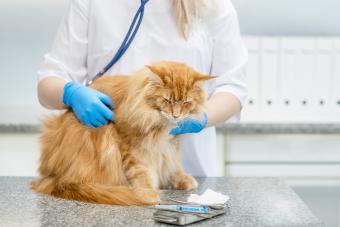
When natural or over-the-counter remedies won't help, it's important to see a veterinarian. Your vet can help hydrate your cat with subcutaneous fluids under their skin if hydration is a concern, and can prescribe a stronger oral medication, such as Lactulose. This medication is primarily prescribed for constipated cats, but will also help cats with hairballs. However, if the hairball won't pass, they may recommend additional measures.
Hairball Complications
If a cat develops a hairball -- sometimes referred to by the technical term trichobezoar -- that is not regurgitated or passed in stool, it can grow in size within the stomach. Unfortunately, large hairballs may lead to intestinal obstructions requiring surgery. It's also possible for large hairballs to become stuck in a cat's esophagus and cause an esophageal stricture or narrowing. Although these are rare and extreme cases, they can occur, which is why preventing hairballs from growing or forming in the first place is critical.
Hairball Problems in Cats
It's possible to help your feline pass a persistent hairball by implementing one or a few of these effective cat hair remedies. However, if your cat appears to hack continuously or over an extended period of time without producing a hairball, there may be another cause. See your veterinarian to rule out a respiratory issue such as asthma and get individual medical guidance.